Hey there, fellow bedding lovers! If you’ve ever been on the hunt for a new comforter, you’ve probably found yourself staring at two similar products: one marked “silk blend” and the other “pure silk,” wondering which is worth your hard-earned cash. As someone who’s been in the comforter game for over a decade—my team and I have helped thousands of folks pick bedding that actually works for them—I get this question nonstop. Today, let’s break down the real deal: is a silk-blend comforter actually more affordable than a pure silk one? Spoiler: it’s not just about the price tag, but I’ll get into all that, plus some insider tips from the supplier side I wish I knew when I started. Comforter
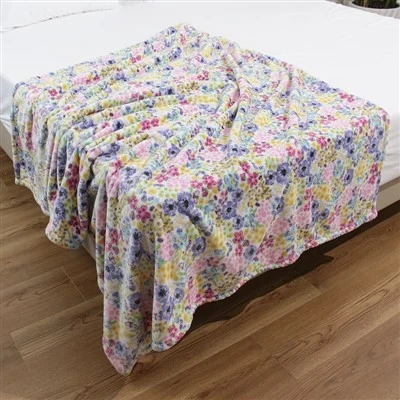
First off, let’s get the basics straight, because a lot of people mix these two up. Pure silk comforters are made entirely (well, almost—you need a tiny bit of binding here and there, but the fill is 100% silk) from silk fibers. Most often, that’s mulberry silk, which is the gold standard—think soft, shiny, and lightweight, but also pricey to produce. Silk-blend comforters, on the other hand, mix silk with another fiber, usually something like cotton, polyester, or even wool. The goal is to take silk’s best perks—its breathability, temperature regulation, that silky softness—and pair it with a cheaper, more durable fiber to cut costs a bit, right?
So, yeah, on the surface, blends are cheaper. But let’s not stop there, because “affordable” isn’t just the upfront price. When we run numbers at our warehouse, we see customers go for the blend thinking they’re saving $50, but then they end up replacing it a couple years later because it pills or loses its fluff. Pure silk lasts way longer—we’ve had customers tell us their pure silk comforter is still going strong after 15 years, while their old blend was shot in 3. But I’m getting ahead of myself; let’s get into the actual cost breakdown first, since that’s the core question.
Here’s the science bit, no boring jargon, promise. Mulberry silk, the most common pure silk for comforters, is made by silkworms that are fed a strict diet of mulberry leaves, which makes their fibers longer, stronger, and smoother. The process to harvest it is labor-intensive: you have to carefully unwind the cocoon without breaking the silk filament, and it takes about 2,500 cocoons to make just one comforter. That’s a lot of work, and that labor gets passed on to the price. Now, a silk blend: most of the time, it’s like 70% cotton and 30% silk, or 50/50. Cotton is super cheap to grow and process, polyester is even cheaper. So if you take that expensive silk and dilute it with a low-cost fiber, the per-item cost drops a ton. Let’s put it in real numbers—when we price our own products, our pure silk comforter runs around $280 for a queen size, and our top silk blend is around $160. That’s a $120 difference, so on paper, the blend is way more affordable. But wait, what about the fine print?
A big thing people don’t talk about is quality consistency, especially with blends. Not all blends are created equal. Some cut corners by using only 10% silk, which means you barely get any of silk’s benefits—you’re basically paying a little extra for a “silk” label, but mostly sleeping on polyester. A high-quality blend might have 30-40% silk, so you still get that soft feel, but it’s way less than pure. Pure silk, meanwhile, is consistent because every fiber is silk—you know exactly what you’re getting. At our company, we test every batch of silk we use to make sure it’s long-staple mulberry, not that cheap short-staple silk that feels scratchy. For blends, we only work with ones that have at least 25% silk, because anything less is just a waste of money.
Another point: care and maintenance costs, which add to the overall affordability. Pure silk is delicate—you can’t just toss it in the washing machine; you usually have to dry clean it, or if you’re lucky, hand wash it with gentle detergent. Dry cleaning costs can add up—like $15-$20 every time you clean it, and if you skip it, the comforter gets stinky or stained. Silk blends, though? Most are machine washable, which is a game-changer. You can toss them in with your regular laundry, no fancy products needed. That’s a plus if you hate dealing with delicate bedding. But wait, pure silk’s durability balances that out, right? Over 15 years, even if you pay $20 more per year in dry cleaning, that’s $300 over 15 years. The pure silk’s upfront cost is $280, so total cost over time is $580, vs. the blend that’s $160 upfront plus $50 every 3 years to replace it, so that’s $160 + $800 (five replacements) = $960. Suddenly, the pure silk is the better deal long-term, even if the blend is cheaper upfront. That’s a calculation most customers don’t do when they’re standing in front of the price tag.
Wait, but what about people who live in different climates? That changes things too. If you’re in a super cold place, pure silk has great heat retention without being bulky—you don’t need a thick comforter. A blend might be bulkier because the cotton or polyester doesn’t insulate as well as silk, so you might have to get a thicker blend, which ends up costing almost as much as a pure silk one. If you’re in a warm, humid place, silk’s breathability is perfect—pure silk wicks moisture away from your skin, so you don’t wake up sweaty. A blend with a lot of cotton might hold onto moisture, making you feel clammy, so you have to wash it more often, adding to those maintenance costs. That’s a big one we see with customers in Florida vs. Maine, for example.
Let’s talk about common myths, too. Some people think silk is just for fancy hotels, so it’s not worth it. But no—there are budget pure silk options, and expensive blends that rip you off. When I first started in this business, I had a customer who bought a $200 blend comforter, thinking it was a steal. A year later, it pilled so bad she had to cover it with a duvet, and it didn’t keep her warm at night. She came back and bought our mid-range pure silk comforter for $250, and 10 years later, she still raves about it. That’s the kind of story that makes me want to shout from the rooftops: don’t just look at the upfront price, look at what you’re actually getting.
Another thing: the silk market is weird, right? Sometimes pure silk prices fluctuate because of crop yields or labor costs, but blends follow the price of cotton and polyester, which are way more stable. So if you’re shopping when cotton is cheap, a great blend can be super affordable, but if you need something that will last, pure silk is a more reliable investment. At our company, we actually sell more blends during holiday sales when people are looking for a cheap gift, because it feels nice without breaking the bank. But we steer our regular customers who want something for themselves to pure silk if they can swing it.
Wait, let’s get real about the “affordability” term. A lot of people think “affordable” means the cheapest thing, but that’s not true. Affordable means something that fits your budget and meets your needs. If your budget is tight right now, a high-quality blend with 25%+ silk is a great option—we have blends that go on sale for under $100, which is way more affordable than our pure silk’s regular price. But if you want something that will last for years, feels better, and saves you money in the long run, pure silk is worth the extra cash. I’ve had customers who say “I can’t afford pure silk,” but then a year later, they come back and buy another one because their blend wore out. It’s the same as buying a pair of good shoes vs. cheap ones— the cheap ones fall apart in a few months, the good ones last years.
Also, let’s touch on quality control, because that’s where a lot of suppliers cut corners. At our warehouse, we inspect every comforter before it ships. For pure silk, we check that the fill is all silk, no polyester threads hidden in the edges. For blends, we weigh the fill to make sure the silk percentage is what we say it is—no one wants to pay for 30% silk and only get 10%. That’s why buying from a reputable supplier matters, whether it’s pure silk or a blend. There are tons of knockoff products online that call themselves silk blends but are basically just polyester, so you have to do your research.
Let me wrap this up with a few key takeaways, since I know I rambled a bit (sorry, I get excited about bedding). First: yes, on average, a silk-blend comforter is more affordable upfront than a pure silk one. That’s a fact—our numbers, and every other comforter supplier’s numbers, back that up. But second: that “affordability” is only if you get a high-quality blend. A cheap blend is just a waste of money. Third: pure silk is more expensive upfront, but it lasts way longer, has better temperature regulation, and saves you money on replacement and maintenance costs over time. Fourth: your climate and budget matter a lot—if you’re on a tight budget and live in a warm place where you don’t need a thick comforter, a good blend is a solid choice. If you can stretch your budget and want something that will last a decade or more, pure silk is the way to go.
At the end of the day, there’s no one-size-fits-all answer. But if you’re still on the fence, hit us up—we’re comforter people, not salespeople, and we’ll tell you exactly what’s right for your needs. No pressure, no weird fine print, just honest advice. If you want to chat sizes, care tips, or even if a blend vs. pure silk is better for you, just reach out. We’re here to help you sleep better, which is what this is all about, right? Sleep is half your life, so you want bedding that works for you.
Pet Pee Pad References:
- Textile Institute. (2021). Silk fiber properties and applications in home textiles. Journal of Textile and Apparel Technology and Management.
- Cotton Council International. (2022). Global cotton production and cost analysis for home textile blends.
- International Silk Association. (2020). Durability and lifespan of pure silk vs. blended silk bedding products.
- American Cleaning Institute. (2023). Care instructions and maintenance costs for delicate bedding items.
Jiangsu Etang Household Products Co., Ltd.
Address: No. 18 Nanhai Road, Siyang Economic Development Zone, Siyang County, Suqian City, Jiangsu Province
E-mail: etang216@js-et.com
WebSite: https://www.etangbedding.com/
