Hey everyone, it’s Jake from the stainless steel grating team here—you know, the guy who’s fielded like 10 questions this week alone from contractors, warehouse managers, even a small factory owner who’s dead set on stopping that annoying grit from getting everywhere. The big one? “What’s the deal with stainless steel grating’s dust-proof performance?” I get it—dust isn’t just a nuisance. It gums up conveyor belts, clogs machinery, makes warehouse floors slippery when it’s wet, and worst of all, it ruins products that are sitting on pallets below. So today, I’m breaking this down like we’re sitting at a job site coffee break, no boring lab jargon, just real talk from a guy who’s sold this stuff for years. Stainless Steel Grating

First off, let’s cut to the chase: stainless steel grating’s dust-proof performance isn’t a one-size-fits-all thing. A lot of folks hear “stainless steel” and assume it’s some kind of airtight barrier, but nah—this is grating we’re talking about, not a garbage bag. Grating is basically those parallel metal bars (they’re called bearing bars, for the nerds in the room) that run the length, with smaller ones (cross bars) welded or locked in perpendicular to hold ’em together. The gaps between those bars? That’s where the dust conversation lives. But here’s the thing: not all gaps are made equal, and not all stainless steel is the same either.
Let’s start with the material itself. I’ve seen cheap “stainless steel” grating that’s actually just mild steel coated with a thin stainless layer—total garbage, by the way, it rusts in a month if you look at it wrong. But real 304 or 316 stainless steel? That’s a game-changer for dust control. Why? Because stainless steel doesn’t rust, so it doesn’t flake like regular steel does. Those rust flakes from mild steel grating are tiny, they get everywhere—into your lunch, your tools, your production equipment. Stainless steel doesn’t do that, so you’re eliminating a whole source of dust right off the bat. 316 is even better if you’re dealing with salt or chemicals, like near a dock or a food processing plant—no weird corrosion that breaks down into dust over time. That’s a big point most people miss: the material itself cuts down on dust before you even think about the gap size.
Now, the gaps. This is the part that depends on what you’re using the grating for. Standard grating usually has gaps between 1/2 inch and 2 inches, right? Wait, no—actually, for dust control, we’re talking about the clear opening, not the whole gap. Let’s say you have a grating with 1-inch clear openings. That might be fine for a loading dock where you’re just keeping heavy equipment from falling through, but if you’re in a warehouse storing electronics, that 1-inch gap is gonna let tiny dust particles (the ones that are like 10 microns, smaller than a grain of sand) filter down. But if you go with a finer grating? Like 1/4-inch clear openings? That blocks way more of that fine dust. I recently sold a set of that to a auto parts factory where they were having issues with dust getting into engine components. They were shocked how much less they had to wipe down the parts after switching from their old mild steel grating.
But hold on—there’s a catch here. Finer gaps mean less airflow, right? If you’re using grating for a floor that needs to drain water or let light through (like a mezzanine in a basement), a super fine grating might not let enough air circulate. I had a client who tried to put 1/4-inch grating on a mezzanine for a bakery—they ended up with mold down below because the air couldn’t flow. So it’s a balance. We always ask clients two key questions up front: what size dust particles are you trying to block, and do you need airflow, drainage, or both? That’s how we pick the right gap for the job.
Another thing people don’t talk about as much: the surface finish of the grating. Stainless steel can be smooth, brushed, or even polished. Wait, but does that affect dust? Yeah—if the surface is too rough or has ridges, dust sticks to it way easier. Smooth finishes (we call them “mill finish” when they’re freshly made) don’t hold dust as well, so when you clean the grating, it comes right off. Brushed finishes are common too—they look nicer, but they have tiny scratches that can catch dust. I usually tell folks if dust control is a top priority, go with a mill finish or a polished finish, not brushed. The other night I was talking to a hospital maintenance guy—they use our polished stainless steel grating in their supply rooms, and he said they only have to dust the grating once a month, vs. the old mild steel stuff where it was every week. That’s a real win for their staff.
Wait, let’s get into the elephant in the room: is stainless steel grating dust-proof, or is it dust-resistant? Because “dust-proof” sounds like it stops 100% of dust, and honestly, nothing does that. Even a solid metal plate lets dust through tiny gaps in the edges if it’s not sealed. But stainless steel grating is way more dust-resistant than other materials, and here’s why it matters for real life. Let’s compare to other options: fiberglass grating? It’s non-metal, so it doesn’t rust, but it can develop tiny cracks over time that trap dust, and it’s rougher than stainless. Aluminum grating? Light, but it oxidizes, and that oxidation turns into dust too—plus it bends easier, so the gaps get bigger as it wears. Wood grating? Please, don’t even get me started—wood rots, splinters, and holds so much dust it’s gross. Stainless steel is the only one that stays consistent, no flaking, no splintering, no developing weird gaps as it ages.
Now, what about specific use cases? Let’s make this concrete. If you’re a farm with a feed storage area, you’re dealing with fine grain dust that’s everywhere. I’ve put in our 1/2-inch clear gap stainless grating there, and it blocks most of the grain dust from getting onto the floor below, where they keep smaller tools and seed. They used to sweep twice a day, now once is enough. If you’re a brewery? They deal with malt dust and yeast—fine, sticky stuff. Our smooth mill finish grating means the yeast doesn’t cling, and the gaps are sized just right to let water from cleaning run through, so no standing water that breeds bacteria, and almost no dust getting into their bottling area. Another client: a tech startup that builds servers. They needed grating for the floor above their server room, so dust couldn’t get onto the servers and cause overheating. We got them custom-made grating with 3/16-inch clear gaps, and they told me after 6 months, they haven’t had a single dust-related server issue. That’s the stuff that makes my job worth it.
But here’s a tip I always give people: regular maintenance matters, even with stainless steel. You can’t just install the grating and forget it. Once a month, give it a good sweep or a low-pressure wash (high pressure can bend the bars, FYI). If there’s grease or heavy dust stuck on it, a mild detergent won’t scratch the stainless. A lot of my clients think stainless is “maintenance-free,” but it’s just low-maintenance, not no maintenance. Neglect it, and dust will build up in the gaps, no matter what material you use. I had a guy last year who didn’t clean his grating for a year—all the gaps got clogged with construction dust, and it started acting like a solid plate. Once we power-washed it (low pressure, duh), it was back to normal.
Wait, let’s address a common myth I hear all the time: “Wider gaps = more dust.” Not always. Like I said earlier, if you have a rough-surfaced mild steel grating with 2-inch gaps, it’s gonna rust, flake dust, and those big gaps let even more of that flaked dust through. A smooth stainless steel grating with 1-inch gaps? No flaking, so less dust overall, even though the gaps are wider. It’s not just about the gap size—it’s about the material and the finish. That’s the mistake a lot of contractors make: they pick the cheapest grating based on gap size, not the material, and end up with more dust problems.
Also, what about custom options? We don’t just sell standard sizes. If someone needs a custom gap size, or a specific finish, or even grating with a sealant applied to the gaps to block even more dust, we can do that. A few months back, a pharmaceutical company needed that—they can’t have any dust in their drug production area, so we made them grating with 1/8-inch clear gaps and a food-grade sealant that covers the edges of the bars, so even the tiny gaps are blocked. They told me that after installing it, their quality control team didn’t reject a single batch because of dust contamination in 3 months. That’s the kind of result we’re here for.
Now, let’s get real about what stainless steel grating can’t do. It’s not a dust filter. If you’re dealing with super fine, airborne dust like silica or asbestos, you need actual HEPA filters, not grating. But for 99% of industrial, commercial, and residential use (wait, yeah, some people use our grating for home workshops or garages!) stainless steel grating is way better than any other option. It doesn’t produce dust, it doesn’t hold dust like rough materials, and you can size the gaps to block the specific dust you’re dealing with.
So if you’re tired of sweeping dust every day, having your products get contaminated, your machinery breaking down from grit, or your staff complaining about the mess, stainless steel grating is worth considering. Here’s the thing: it costs a little more upfront than cheap mild steel or fiberglass, but it lasts way longer, and the dust control saves you money in the long run—less maintenance, less wasted product, fewer downtime issues from dirty machinery. I’ve had clients tell me they saved thousands a year after switching from their old grating, just from not having to clean as much and replace parts that gummed up with dust.
If you’re curious about what size gap, material, or finish is right for your space, just reach out. We can walk through your specific needs, answer all your questions, and even help you figure out the best setup for dust control. No pressure, no confusing sales talk—just straight answers from a guy who’s been doing this for years.
Wait, let’s wrap this up nice and simple, no fancy stuff. Stainless steel grating’s dust-proof performance is solid, but it depends on three main things: the material (304 or 316 is key, no cheap coated stuff), the gap size matched to your dust type, and the smoothness of the finish to keep dust from sticking. It’s not perfect, but it’s way better than any other grating out there, and with a little regular cleaning, it’ll keep dust at bay for years.
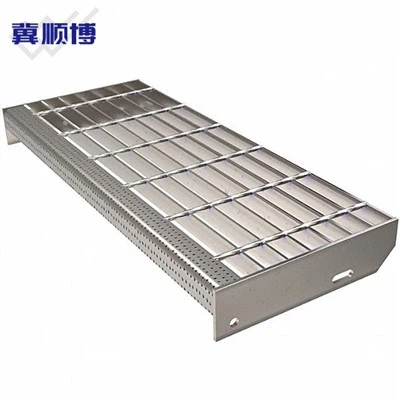
If you’re ready to stop dealing with that endless dust, or just want to chat through your needs, don’t hesitate to get in touch with us. We’re here to help you find the right stainless steel grating for your project, no matter how big or small.
Stainless Steel Grating References:
- Stainless Steel Institute. (2022). Properties and Applications of 304 and 316 Stainless Steel for Industrial Gratings.
- Occupational Safety and Health Administration (OSHA). (2021). Dust Control Guidelines for Industrial Workspaces.
- American Institute of Steel Construction (AISC). (2020). Design and Performance of Metal Grating for Industrial and Commercial Use.
- Food and Drug Administration (FDA). (2023). Food-Grade Materials and Surfaces for Processing Facilities.
- National Floor Safety Institute (NFSI). (2022). Non-Slip and Dust-Resistant Floor Solutions for High-Traffic Areas.
Hebei Shunbo Metal Wire Mesh Manufacturing Co., Ltd.
As one of the most professional stainless steel grating manufacturers and suppliers in China, we’re featured by quality products and good price. Please rest assured to buy high-grade stainless steel grating for sale here from our factory. Contact us for more details.
Address: No.66, Xicheng Avenue, West Zone, Economic Development Zone, Raoyang County, Hengshui City, Hebei Province, China
E-mail: info@steelgratingworld.com
WebSite: https://www.shunbosteelgrating.com/
