Hey everyone, it’s Jake here from the wall-mounted distribution box (WMDB) squad – y’know, the folks you turn to when you need reliable, code-compliant power solutions that don’t leave you guessing. Lately, I’ve been getting a TON of questions from electricians, contractors, even a few small business owners who picked up a cheap WMDB online and now realize they have NO clue if it’s up to code. Wall Mounted Distribution Box

That’s why I’m breaking down the key electrical codes for wall-mounted distribution boxes today. No stuffy jargon, no 500-page NEC manuals (okay, a little NEC, but I’ll translate it for real life), just what you need to actually stay compliant, pass inspections, and avoid the headache of a failed job. Let’s dive in.
First off, let’s get one thing straight: I’m not a code inspector – I’m a supplier who’s worked with thousands of pros to get their WMDBs right. The National Electrical Code (NEC) is the big one here, but a lot of regions also adopt their own tweaks (like Canada’s CSA, UK’s BS 7671, or Australia’s AS/NZS 3000), so always double-check local AHJ (Authority Having Jurisdiction) rules before you buy. But most of the core stuff is pretty universal, especially for residential and light commercial jobs, which are our bread and butter.
Let’s start with the basics: what even is a wall-mounted distribution box? It’s that metal (or sometimes plastic) box that holds your breakers, fuses, and all the connections that split power from your main service to every outlet, light, appliance, whatever. The code for these things isn’t arbitrary – it’s built to stop fires, shocks, and all that scary stuff you don’t want to deal with.
First rule I harp on to every customer: placement. Where you mount the WMDB matters so much more than people think. NEC 230.70 says the main distribution box has to be accessible – no locking it in a closet behind a stack of old paint cans, no mounting it 10 feet up a wall where a short person can’t reach the breakers. For residential spaces, the rule of thumb is that the center of the box should be between 48 inches and 66 inches off the floor. Wait, let me confirm that – yeah, NEC 404.8 for switch placement lines up here too, and most AHJs mirror that for distribution boxes. Why 48 to 66? It’s high enough that kids can’t mess with it, low enough that a technician doesn’t need a ladder every time they flip a breaker or change a fuse. Except, wait, there’s an exception for garages, basements, or utility rooms – some areas let you go a little lower there, like 36 inches, but only if it’s not in a crawl space or where water might hit it. Oh, and water! If you’re mounting a WMDB in a bathroom, outdoor patio, or even near a kitchen sink, you need a box with the right ingress protection (IP) rating. IP65 is the go-to for outdoor or damp areas, right? Because regular boxes (IP20) aren’t sealed against splashes, and water in there is a fire risk. I see so many contractors cut corners here – mounting a regular IP20 box in a backyard shed that leaks when it rains – and that’s a failed inspection waiting to happen.
Next up, the box itself: construction and rating. Not all wall-mounted distribution boxes are created equal. First, material. NEC 312.2 says that for most indoor dry locations, you can use either metal (steel or aluminum) or non-metallic (UV-resistant plastic, not just cheap holiday decor plastic). But metal boxes have to be properly grounded, and non-metallic ones have to be listed – that UL label (or CSA, CE, whatever your region’s approval is) is non-negotiable. No off-brand boxes from Amazon that don’t have a listed rating. And for wet locations, like outdoor or bathrooms, metal boxes can rust if they’re not galvanized, so many pros opt for stainless steel or high-grade plastic there to avoid corrosion.
Then, the rating of the box itself. The most common sizes we sell are 100-amp, 150-amp, and 200-amp, which matches the main service size for most homes. But wait, NEC 312.1 says the box has to be rated for the maximum load it’s going to carry. So if you have a 200-amp main service, you can’t use a 100-amp box – that’s overloading it, which will melt the terminals and cause a fire. Simple rule: match the box’s rating to your main service’s rating. I had a contractor reach out to me last month who made that exact mistake – he bought a cheap 100-amp box for a new home with a 200-amp service, and his inspector flagged it immediately. Had to return it and get a rated box, which cost him extra time and money. Lesson learned. Also, the number of slots – don’t cram 20 breakers into a box only made for 15. NEC 312.6 says the box’s interior space has to be enough to accommodate all the conductors and devices without overcrowding. Overcrowding makes it hard to wire correctly, and the heat buildup can break down insulation. Pro tip: always get a box with a few extra slots for future additions – adding a new circuit a few years down the line is way easier than having to replace the whole box because you ran out of space.
Wiring and connections are another big one, and this is where a lot of DIYers (and even some new contractors) mess up. First, NEC 314.20 says the box has to have a dedicated space for each circuit conductor – no piling wires together in the back, no running wires through the wall without proper cable clamps. Wait, cable clamps! That’s a big one I see missed all the time. Every cable entering the box needs a clamp or fitting to secure it so the weight of the cable doesn’t pull on the terminals. If you don’t have clamps, the wire can come loose, arc, and start a fire. We sell boxes with pre-installed clamps for this exact reason – saves our customers the hassle of buying separate parts and missing that step.
Grounding and bonding are non-negotiable too, and this is where the code gets really specific, especially for WMDBs. NEC 250.138 says the metal box itself has to be grounded properly. That means a grounding conductor that runs all the way back to the main service panel’s ground bus, right? No daisy-chaining grounds through the breakers – that’s a no-no. Also, for non-metallic boxes, NEC 250.140 says you need a separate grounding conductor (a bare copper wire, usually) because plastic doesn’t conduct electricity. Oh, and bonding all the metal parts inside the box – like the breaker bars, neutral bars, and any other metal components – has to be connected to the grounding system. I once had a customer say, “Wait, why does the neutral bar need grounding?” Because if there’s a fault, you need that path for electricity to flow safely to ground, not through someone’s hand. That’s basic safety, but it’s in the code for a reason.
Circuit breakers too – they have to be listed for the box. You can’t just grab any breaker from the hardware store and drop it into a random box. NEC 110.10 says all components in the panel have to be listed for the application. So if you have a Siemens WMDB, you should use Siemens breakers, or at least breakers that are rated for that specific panel. I’ve seen guys try to save a few bucks with generic breakers, and that’s a huge code violation. Generic breakers don’t fit right, might not trip at the right amperage, and the inspector will flag it.
Wait, what about specific use cases? Let’s say you’re mounting a WMDB for a small commercial space, like a café or a retail shop. The codes shift a little here – NEC 408 covers commercial distribution panels, and they often require higher ampacity, maybe more circuit protection for high-load equipment like refrigerators or ovens. Also, for multi-family dwellings, NEC 230.67 says each unit’s distribution box has to be accessible from the unit itself, not just a hallway or common area. No locking the box in the landlord’s storage closet – that’s a pain for tenants and a code violation.
I also get asked a lot about retrofits. What if you’re replacing an old wall-mounted distribution box? The code here is a bit different – when you’re upgrading, you have to follow the current NEC, not the code that was in place when the old box was installed. For example, if your old box is a 60-amp panel for a home that now has a 100-amp service, you can’t just keep the old box – you have to upgrade it to match the new service rating. Also, retrofits often require updating grounding – if your old box doesn’t have a proper ground, you have to add one when replacing it, even if the old setup worked back in the day. That’s a common point of confusion, and a lot of contractors get tripped up on it.
Let’s talk about common mistakes I see all the time, because that’s what this is really about. First, using unlisted boxes or breakers – that’s the #1 code violation we see. Second, mounting the box too high or too low – I had a job last year where a contractor mounted a box 7 feet up in a basement, and the inspector made him lower it, and he had to rewire all the circuits because the cable was too short. Third, skipping cable clamps – one loose wire caused an arc in a customer’s garage, and they had to rewire the whole box at their own cost. Fourth, not accounting for future loads – adding a new hot tub or EV charger in a few years is way easier if you have extra slots in your WMDB.
Now, I know this stuff can feel overwhelming, especially if you’re a small contractor or a DIYer who’s never dealt with this before. But the good news is that buying a code-compliant wall-mounted distribution box from a reputable supplier (hi, that’s us!) takes most of the guesswork out. We only carry boxes that are UL-listed, CSA-approved, whatever your region needs, sized correctly for residential, commercial, or outdoor use, with extra slots, pre-installed clamps, and all the grounding components you need. We also have a team that can help you match the right box to your project – just shoot us a message if you’re not sure.
Wait, let’s wrap this up with the most important takeaway: electrical codes aren’t there to make your job harder, they’re there to keep people safe. A code-compliant WMDB means less risk of fires, less chance of getting shocked, and way fewer headaches at inspection time. We’ve all been there – rushing to a job at 5 PM the day before an inspector comes, just to have them flag a tiny thing that could’ve been avoided by following the code. That’s why I always tell our customers: invest in a good, code-compliant box upfront, and you’ll save yourself time, money, and stress down the line.
If you’re working on a project right now and need a wall-mounted distribution box that checks all the code boxes, don’t hesitate to reach out to our team. We’ll help you pick the right size, rating, and features for your specific job, no jargon, no pressure, just straight-up advice from people who know this stuff inside and out.
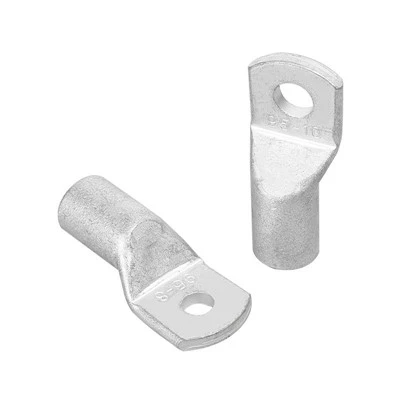
Let’s keep it simple, safe, and code-compliant. Catch you next time.
Contactor References:
National Electrical Code (NEC) 2023, National Fire Protection Association
CSA C22.1: Canadian Electrical Code, Part 1, 2024
BS 7671: Requirements for Electrical Installations, IET Wiring Regulations, 18th Edition
AS/NZS 3000: Electrical Installations (Wiring Rules), 2023 Edition
Wenzhou Lanen Electrical Co., Ltd.
Wenzhou Lanen Electrical Co., Ltd. is one of the most professional wall mounted distribution box manufacturers and suppliers in China, also supports customized service with low price. Please feel free to buy CE approved wall mounted distribution box made in China here from our factory. Contact us for more discount information.
Address: Zhiguang Liushi Town Yueqing City Wenzhou City Zhejiang Province
E-mail: lanen@luyele.cn
WebSite: https://www.lanenelectrical.com/
