What are the environmental impacts of the Rear Testing Production Line?
As a supplier of Rear Testing Production Lines, I’ve spent a significant amount of time thinking about the environmental implications of our products. Rear testing is a crucial step in the manufacturing process for many industries, especially automotive and electronics. It ensures that products meet the required quality and safety standards before they are released to the market. However, like any industrial process, the rear testing production line has its environmental impacts, which I’ll explore in detail in this blog. Rear Testing Production Line
Energy Consumption
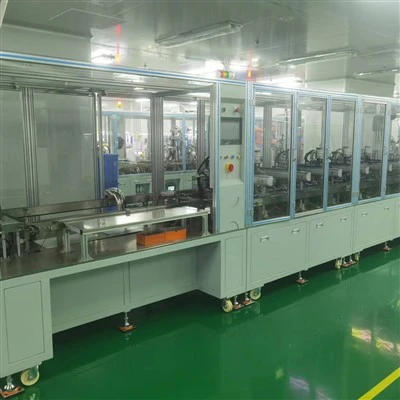
One of the most significant environmental impacts of the rear testing production line is energy consumption. These lines are typically equipped with a variety of testing equipment, such as sensors, cameras, and actuators, which require a substantial amount of electricity to operate. Additionally, the production line may need to maintain a specific temperature and humidity level to ensure accurate test results, further increasing energy usage.
The energy used in rear testing production lines often comes from non – renewable sources, such as coal and natural gas. The combustion of these fossil fuels releases large amounts of greenhouse gases, including carbon dioxide (CO₂), methane (CH₄), and nitrous oxide (N₂O), into the atmosphere. These gases contribute to global warming and climate change, leading to more frequent and severe weather events, rising sea levels, and damage to ecosystems.
To mitigate this impact, we are constantly working on improving the energy efficiency of our rear testing production lines. We use advanced control systems to optimize the operation of testing equipment, reducing unnecessary energy consumption. For example, we can program the sensors to enter a low – power mode when they are not in use. Additionally, we are exploring the use of renewable energy sources, such as solar panels and wind turbines, to power our production lines. By integrating renewable energy into our systems, we can significantly reduce our carbon footprint.
Waste Generation
Another environmental concern associated with rear testing production lines is waste generation. During the testing process, defective products or components are often identified. These items may need to be discarded, leading to the generation of solid waste. In addition, the testing equipment itself may require regular maintenance and replacement of parts, which also contributes to waste.
The waste from rear testing production lines can include electronic waste, such as circuit boards and sensors, as well as mechanical waste, such as metal parts and plastic casings. Electronic waste is particularly problematic because it often contains hazardous materials, such as lead, mercury, and cadmium. If not properly managed, these hazardous materials can leach into the soil and water, posing a threat to human health and the environment.
To address this issue, we have implemented a comprehensive waste management program. We encourage our customers to recycle defective products and components whenever possible. We also work with certified recycling partners to ensure that electronic waste is properly disposed of and recycled. In addition, we design our testing equipment to be modular and easily repairable. This allows for the replacement of individual parts, rather than the entire unit, reducing waste generation.
Chemical Usage
Some rear testing production lines may use chemicals in the testing process. For example, in the automotive industry, corrosion testing may involve the use of salt spray or other corrosive agents. In the electronics industry, cleaning agents may be used to remove contaminants from components before testing.
The use of chemicals in the production line can have several environmental impacts. Firstly, these chemicals may be toxic to humans and the environment. They can contaminate air, water, and soil, and cause harm to wildlife and plants. Secondly, the production and disposal of chemicals also require energy and resources, contributing to overall environmental degradation.
To minimize the use of chemicals, we are constantly researching and developing alternative testing methods. For example, we are exploring the use of non – destructive testing techniques, such as ultrasonic testing and X – ray inspection, which do not require the use of chemicals. When chemical usage is unavoidable, we ensure that the chemicals are used in a safe and environmentally friendly manner. We provide proper training to our customers on the handling and disposal of chemicals, and we encourage them to use eco – friendly alternatives whenever available.
Water Consumption
In some cases, rear testing production lines may consume water. For example, in cooling systems for testing equipment or in certain cleaning processes, water is used. Excessive water consumption can put a strain on local water resources, especially in areas where water is scarce.
To reduce water consumption, we design our production lines with water – saving features. For example, we use closed – loop cooling systems that recycle water, minimizing the need for fresh water intake. We also optimize cleaning processes to use the minimum amount of water necessary to achieve the desired results. By implementing these measures, we can help our customers reduce their water footprint.
Noise Pollution
Rear testing production lines can generate significant noise, especially when high – speed machinery or motors are in operation. Noise pollution can have a negative impact on the health and well – being of workers in the production facility, as well as on nearby communities. Prolonged exposure to high – level noise can cause hearing loss, stress, and other health problems.
To reduce noise pollution, we implement noise – control measures in our production lines. We use sound – insulating materials to enclose noisy equipment, and we design the layout of the production line to minimize the spread of noise. Additionally, we provide personal protective equipment, such as earplugs and earmuffs, to workers to protect their hearing.
The Importance of Sustainable Development
As a supplier of rear testing production lines, we recognize the importance of sustainable development. We are committed to reducing the environmental impacts of our products and helping our customers achieve their sustainability goals. By working together, we can create a more sustainable future for the manufacturing industry.
In addition to the technical solutions mentioned above, we also believe in the importance of transparency and communication. We provide our customers with detailed information about the environmental impacts of our rear testing production lines, including energy consumption, waste generation, and chemical usage. This allows them to make informed decisions and take appropriate actions to reduce their environmental footprint.
We also participate in industry initiatives and collaborations aimed at promoting sustainable manufacturing. By sharing our knowledge and experience, we can learn from others and contribute to the development of best practices in the industry.
Contact for Purchase and Collaboration
Assembly Equipment If you are interested in our rear testing production lines and want to learn more about how we can help you minimize the environmental impacts while ensuring high – quality testing, please feel free to contact us. We are more than happy to have in – depth discussions with you about your specific needs, provide detailed product information, and offer customized solutions. We believe that by working together, we can not only improve the efficiency and quality of your production but also make a positive contribution to environmental protection.
References
- Handbook of Sustainable Manufacturing and Technology edited by J. Paulo Davim.
- Research articles on industrial energy efficiency and environmental management from Journal of Cleaner Production.
- Reports from environmental protection agencies on waste management and chemical usage in manufacturing industries.
Yangning (Xiamen) Intelligent Technology Co., Ltd.
With abundant experience, we are one of the most professional rear testing production line manufacturers in China. As we have world-leading production equipment and strong manufacturing capabilities, we warmly welcome you to buy bulk advanced rear testing production line from our factory. Customized orders are welcome.
Address: Room 307-2, No. 15 Duiying Road, Software Park Phase III, Torch Hi-Tech Zone, Xiamen, Fujian, China
E-mail: mia@ynautos.com
WebSite: https://www.ynautos.com/
