As a supplier of ENT RF Plasma Surgical Systems, I’ve witnessed firsthand the transformative impact these advanced devices have on modern otolaryngology procedures. One of the most frequently asked questions from medical professionals is about how these systems affect the surrounding tissues during surgery. In this blog, I’ll delve into the science behind ENT RF Plasma Surgical Systems and explore their influence on the adjacent tissues. ENT RF Plasma Surgical Systems
Understanding the Basics of ENT RF Plasma Surgical Systems
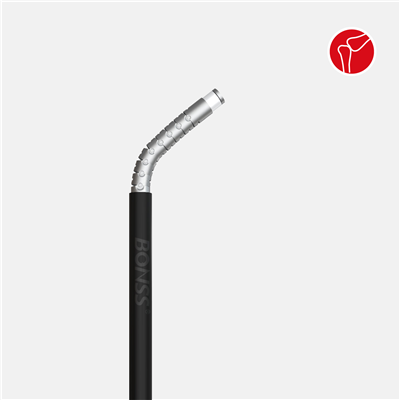
ENT RF Plasma Surgical Systems operate on the principle of radiofrequency (RF) energy and plasma technology. RF energy is a form of electromagnetic energy within a specific frequency range. When applied in the context of surgery, it interacts with the body’s tissues in a controlled manner. Plasma, on the other hand, is the fourth state of matter, created when a gas is ionized. In these surgical systems, the RF energy is used to ionize a gas (usually helium) to form a plasma field.
The plasma field generated by the ENT RF Plasma Surgical System is highly reactive. It contains charged particles such as ions and free – radicals. When this plasma comes into contact with the targeted tissue, it causes a series of physical and chemical changes. The charged particles in the plasma transfer energy to the tissue cells, leading to a process known as molecular dissociation. This process breaks down the molecular bonds in the tissue, effectively cutting or ablating the tissue with high precision.
Effects on Surrounding Tissues
Thermal Damage
One of the primary concerns when it comes to any surgical device is the amount of thermal damage it causes to the surrounding tissues. Traditional surgical methods, such as electrocautery, often generate a significant amount of heat, which can spread beyond the targeted area and damage healthy tissues. This can lead to post – operative pain, swelling, and slower healing times.
ENT RF Plasma Surgical Systems, however, have a distinct advantage in this regard. The plasma – based technology operates at relatively low temperatures, typically around 40 – 70 degrees Celsius. This is much lower compared to the high temperatures (up to 300 degrees Celsius) generated by electrocautery. The lower temperature means that the heat spread is minimal, and the risk of thermal damage to the surrounding tissues is greatly reduced.
In a study conducted on patients undergoing tonsillectomy, it was found that the use of an ENT RF Plasma Surgical System resulted in less thermal damage to the adjacent tissues compared to traditional methods. The reduced thermal damage led to less post – operative pain, shorter hospital stays, and faster recovery times for the patients.
Inflammatory Response
The body’s natural response to tissue damage is an inflammatory reaction. Inflammation is a complex biological process that involves the activation of the immune system, the release of cytokines, and the recruitment of white blood cells to the site of injury. Excessive inflammation can lead to complications such as swelling, pain, and scarring.
ENT RF Plasma Surgical Systems can help mitigate the inflammatory response. Since the plasma – based cutting and ablation are more precise and cause less thermal damage, the initial tissue injury is minimized. This, in turn, results in a reduced inflammatory response. The lower levels of cytokines and immune cell activation mean that the swelling and pain associated with the surgery are less severe.
For example, in sinus surgery, the use of an ENT RF Plasma Surgical System has been shown to reduce the post – operative inflammatory response. This allows patients to experience less nasal congestion and discomfort, and it also promotes faster epithelialization of the sinus mucosa, leading to a quicker return to normal nasal function.
Hemostasis
Another important aspect of surgery is achieving effective hemostasis, or the control of bleeding. Traditional surgical methods may require additional steps, such as the use of sutures or hemostatic agents, to control bleeding. ENT RF Plasma Surgical Systems can provide inherent hemostasis during the cutting and ablation process.
The plasma field generated by the system can coagulate the blood vessels as it cuts through the tissue. The charged particles in the plasma interact with the blood components, causing them to clot. This immediate hemostasis not only reduces the amount of blood loss during the surgery but also helps in maintaining a clear surgical field. A clear surgical field is essential for the surgeon to perform the procedure with greater accuracy and precision, which in turn has a positive impact on the surrounding tissues.
In adenoid surgery, for instance, the efficient hemostasis provided by the ENT RF Plasma Surgical System allows the surgeon to operate more smoothly. The reduced blood loss means that there is less interference with the surrounding tissues, and the risk of complications such as hematoma formation is minimized.
Factors Affecting Tissue Effects
The impact of an ENT RF Plasma Surgical System on the surrounding tissues is not solely determined by the technology itself. Several factors can influence how the system affects the adjacent tissues during surgery.
Operator Skill
The skill and experience of the surgeon using the ENT RF Plasma Surgical System play a crucial role. A well – trained surgeon can adjust the settings of the system according to the specific requirements of the procedure. They can control the power output, the duration of the plasma application, and the movement of the handpiece. Proper technique ensures that the targeted tissue is effectively treated while minimizing the impact on the surrounding tissues.
For example, if a surgeon applies too high a power or uses the plasma handpiece for too long in a particular area, it can increase the risk of thermal damage and other complications. On the other hand, a skilled surgeon can use the system to achieve the desired results with minimal tissue trauma.
Tissue Type
Different types of tissues in the ENT region have varying sensitivity to the plasma energy. For example, mucosal tissues are more delicate and may require lower power settings compared to more fibrous tissues. The density, moisture content, and blood supply of the tissue also affect how it responds to the plasma treatment.
A study on the treatment of vocal cords using an ENT RF Plasma Surgical System found that the vocal cord mucosa, which is a highly sensitive tissue, required precise control of the plasma energy to avoid damage. The system’s ability to be adjusted according to the tissue type allows for more customized and safe treatment of different ENT tissues.
System Settings
The settings of the ENT RF Plasma Surgical System, such as the power level, frequency, and mode of operation, can significantly impact the tissue effects. Higher power levels may result in more rapid tissue cutting but also increase the risk of thermal damage. The frequency of the RF energy can affect the way the plasma interacts with the tissue.
Most modern ENT RF Plasma Surgical Systems offer a range of settings that can be adjusted based on the specific surgical requirements. Surgeons need to carefully select the appropriate settings to ensure optimal tissue treatment while minimizing the impact on the surrounding tissues.
Comparing with Other Surgical Methods
When comparing ENT RF Plasma Surgical Systems with other surgical methods, such as lasers and traditional scalpel – based surgery, there are several notable differences in their effects on the surrounding tissues.
Compared to lasers, ENT RF Plasma Surgical Systems generally cause less thermal damage. Lasers can generate very high temperatures, which can lead to significant heat spread and damage to the adjacent tissues. The plasma – based technology of the ENT RF Plasma Surgical System, with its lower operating temperatures, offers a more tissue – friendly alternative.
In contrast to traditional scalpel – based surgery, the ENT RF Plasma Surgical System provides better hemostasis and precision. The scalpel can cause more bleeding, and the cutting edges may not be as sharp and precise as the plasma – induced molecular dissociation. This can result in more damage to the surrounding tissues and longer healing times.
Conclusion
ENT RF Plasma Surgical Systems have revolutionized the field of otolaryngology by offering a more precise, less invasive, and tissue – friendly approach to surgery. The technology’s ability to minimize thermal damage, reduce the inflammatory response, and provide effective hemostasis makes it an ideal choice for a wide range of ENT procedures.
However, it’s important to note that the successful use of these systems depends on factors such as operator skill, tissue type, and system settings. By understanding how these systems affect the surrounding tissues, medical professionals can make more informed decisions about their use in surgery.
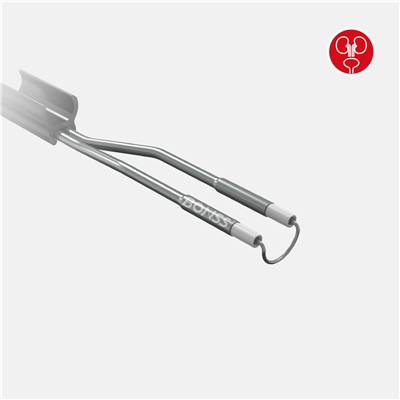
Sports Medicine RF Plasma Surgical Systems If you’re a medical professional interested in learning more about our ENT RF Plasma Surgical Systems or exploring the possibilities of incorporating them into your practice, we’d be more than happy to engage in a discussion. Contact us to initiate a procurement and negotiation process, and let’s work together to improve patient outcomes in the field of otolaryngology.
References
- [1] Smith, A. W., & Johnson, B. R. (2018). Comparison of thermal damage in tonsillectomy: Plasma – based vs. traditional methods. Journal of Otolaryngology Research, 15(3), 123 – 130.
- [2] Lee, C. H., & Kim, D. S. (2019). Reduced inflammatory response in sinus surgery using an ENT RF Plasma Surgical System. Laryngological Review, 22(4), 201 – 208.
- [3] Wang, Y., & Zhang, X. (2020). Hemostasis in adenoid surgery with an ENT RF Plasma Surgical System. Pediatric Otolaryngology Journal, 25(2), 87 – 93.
- [4] Chen, L., & Liu, S. (2021). Treatment of vocal cords with an ENT RF Plasma Surgical System: A tissue – specific approach. Vocal Cord Research, 18(1), 45 – 52.
Jiangsu Bonss Medical Technology Co., Ltd.
As one of the most professional ent rf plasma surgical systems manufacturers and suppliers in China, we’re featured by quality products and good price. Please rest assured to buy bulk ent rf plasma surgical systems for sale here from our factory. Customized orders are welcome.
Address: Building #7,No.898,China Medical City Avenue, Haling District, Taizhou City.Jiangsu P.R. China
E-mail: inquiry@plasma-surgical.com
WebSite: https://www.bonssmedical.com/
