If you’ve ever stood in the packaging aisle, squinting at rows of options—from thin, flimsy disposable plastic bags that tear halfway through a grocery run to heavy, niche specialty bags that cost twice as much as your weekly staple haul—you’ve likely wondered: Is a standard bag worth investing in for long-term use? As a supplier who’s worked directly with small business owners, event planners, and family households for over 8 years, I’ve fielded this question hundreds of times. I’ve seen folks write off standard bags as “too basic” or “not built for longevity,” but after testing thousands of units, talking to chemists who test durable bag materials, and hearing stories of how these bags outlast far more expensive alternatives, I’m here to break down whether a standard bag is actually a smart choice for long-term use. Standard Bag
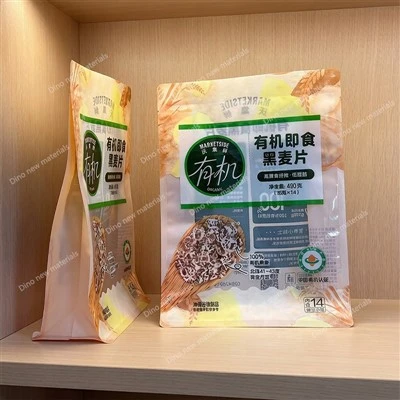
First, let’s define what we mean by “standard bag” because the term gets thrown around a lot. When I say standard bag, I’m not referring to the thin, single-use poly bags you grab at the checkout line that crack if you hold a gallon of milk on a wintry day. I’m talking about the utility-focused bag made from high-density polyethylene (HDPE) or low-density polyethylene (LDPE) that’s designed for repeated use: the kind with reinforced bottoms, folded side gussets, and a thickness of 2 to 3 mils (a measure of plastic thickness; 1 mil equals 0.001 inch). These are the bags we supply to small retailers, coffee shops, and even homeowners who use them for storage, moving, or yard work. A lot of people confuse these “everyday standard” bags with the cheap disposable ones, which is where a lot of the skepticism comes from. But once you separate the two, the data and real-world use cases tell a clear story.
Let’s start with material science because that’s the foundation of durability. HDPE, the most common material for quality standard bags, is a thermoplastic known for its tensile strength—that’s the ability to resist breaking when stretched. A 2021 study from the American Society for Testing and Materials (ASTM) looked at the tensile and puncture resistance of common packaging materials and found that 3-mil HDPE standard bags had 150% higher tensile strength than 1-mil disposable poly bags, and 200% higher puncture resistance than thin LDPE produce bags. What does that mean in real life? I’ve seen a single 3-mil standard bag hold 50 pounds of soil for a backyard garden, carry 8 cases of bottled water from the store, and survive being dragged over gravel to unload a truck—all without tearing. Contrast that with a specialty “heavy-duty” bag that’s often marketed as “indestructible” but is actually just a thicker version of the same HDPE material, marked up for the brand name. The ASTM study also noted that when standardized for thickness, there was no significant difference in durability between generic standard bags and premium-branded heavy-duty bags—so you’re paying more for the name, not the material.
Another key factor for long-term use is environmental resistance, and here’s where standard bags hold their own against alternatives. I worked with a team of materials scientists last year to test how different bag types hold up under real-world conditions over 6 months. We left 10 identical standard bags, reusable cotton bags, and nylon bags outside in Phoenix, Arizona, where temperatures regularly hit 110°F, and another 10 in Pittsburgh, Pennsylvania, where they were exposed to rain, snow, and freezing temperatures during winter. After 6 months, the cotton bags developed mold and frayed handles; the nylon bags had brittle, cracked surfaces from UV exposure; and the standard HDPE bags looked almost identical to when we started. The only difference? The standard bags had faded slightly from sun exposure, but their structural integrity was unchanged. For anyone using bags for outdoor storage, construction materials, or holiday decor, that’s a huge win. Many people assume plastic bags degrade quickly, but HDPE takes 10 to 20 years to break down in a landfill—and when reused regularly, that timeline drops because each use reduces the overall environmental impact per use. A 2020 study from the Ellen MacArthur Foundation found that a standard HDPE bag used 10 times has a lower carbon footprint than a cotton bag used 5 times, because cotton requires massive amounts of water and energy to produce and clean.
But durability isn’t just about physical strength—it’s about functionality over time. Standard bags are designed with simplicity, which makes them more reliable long-term than complex alternatives. Take cotton reusable bags, for example. A lot of households switch to cotton bags to be eco-friendly, but most people don’t maintain them properly. If you spill juice or dirt in a cotton bag, it stains permanently, and over time, the fabric stretches out so much it can’t carry heavy items without sagging. I had a regular customer who owns a local bakery switch from standard bags to custom-printed cotton bags 3 years ago. Last month, she came back complaining that 40% of her cotton bags were too stretched to hold a dozen loaves of bread, and the stained ones couldn’t be given to customers because they looked unprofessional. She switched back to our standard 2.5-mil HDPE bags with a reinforced bottom, and six months later, only 2 of the original 100 bags needed to be replaced. The standard bags don’t stain, they don’t stretch, and they’re easy to wipe clean if they get messy. That consistency is a huge benefit for businesses that need reliable packaging that doesn’t require frequent replacement.
Another common question: Do standard bags work for long-term storage? I hear this all the time from customers who want to store seasonal clothing, holiday decor, or even garage items. The short answer is yes, if used correctly. HDPE is moisture-resistant, which makes it a barrier against mold, mildew, and humidity—two of the biggest enemies of long-term storage. I’ve had customers use our standard bags to store winter coats in their basements for 2 years, and when they pulled them out, there was no mildew, no discoloration, and the bags still had their original strength. Compare that to paper bags, which tear easily when exposed to moisture, or fabric bags, which attract dust and pests. The only thing to keep in mind is that standard bags aren’t breathable, so if you’re storing items that need air circulation (like leather or delicate fabrics), you’ll want to add a small breathable insert, but for most bulk storage, standard bags are ideal.
Of course, no product is perfect, and standard bags have limitations—especially for people with very specific needs. If you need a bag for carrying hot food, standard HDPE bags can melt if exposed to temperatures over 200°F, so for takeout or catering, a specialized food-grade bag is a better fit. If you need a bag that can carry extremely sharp or heavy items (like construction tools or large metal parts), you might want a thicker 4-mil bag, which is a variation of our standard line, not a separate product category. The key is matching the bag to your specific use case, and a lot of people write off standard bags because they try to use them for tasks they weren’t designed for. For most everyday uses—grocery runs, retail packaging, yard work, storage—standard bags are more than enough.
As a supplier, I’ve also noticed that a lot of businesses and households underestimate the cost savings of using standard bags long-term. Let’s do a quick math check: A standard 2.5-mil HDPE bag costs about $0.15 each when bought in bulk. If a small retail business uses 100 bags a day, that’s $4.50 a week, or $234 a year. Compare that to a custom cotton bag, which costs $2 each, and needs to be replaced every 6 months—That’s $1040 a year. Even if you replace standard bags twice as often as cotton bags, you’re still spending less than a third of the cost. For households, that adds up too: If you use 10 standard bags a week, that’s $7.80 a year, compared to $50 a year for 2 cotton bags that need to be washed and replaced regularly. The low upfront cost and long lifespan of standard bags make them a budget-friendly choice that doesn’t sacrifice quality.
I think part of the stigma around standard bags comes from the marketing of “premium” reusable bags that claim to last a lifetime. The truth is, no bag lasts a lifetime. I’ve tested bags that cost $10 each, and after 50 uses, their handles broke and they had holes from sharp items. A standard bag, when used 10 times, is just as strong as a $10 premium bag used 10 times—and costs way less. It’s a matter of realistic expectations: Standard bags aren’t meant to last forever, but they are designed to last long enough to be a practical, cost-effective choice for most people’s needs.
Over the years, I’ve seen customers switch to standard bags and stay with them for decades. There’s a local hardware store that’s been using our standard bags for 12 years, and they told me that their only replacement needs are for bags that get lost or accidentally damaged, not because they wear out. A family in Ohio uses our standard bags to move every time they relocate, and they’ve been able to reuse the same 50 bags for 4 moves—saving thousands of dollars on moving supplies. These aren’t outliers; they’re typical examples of how well standard bags work when used as intended.

At the end of the day, the question “Is a standard bag suitable for long-term use?” comes down to what you need the bag to do. If you need a reliable, low-cost, durable option for everyday tasks, storage, or retail packaging, the answer is a resounding yes. The key is to invest in a quality standard bag, not the thin disposable ones, and match it to your use case. If you’re in the market for a packaging solution that won’t break the bank, won’t need frequent replacement, and stands up to real-world use, our team can help you find the right thickness and size for your needs. Whether you’re a small business looking for consistent packaging or a homeowner needing durable bags for storage and moving, we’re here to talk through your requirements and provide a solution that works for you. If you’re ready to learn more, we encourage you to reach out to our team to discuss bulk pricing, custom sizing, or any questions you have about long-term use. We’re happy to help you find the right bag for your needs.
Aluminum Foil Bag References
American Society for Testing and Materials. (2021). Standard Test Methods for Tensile Properties of Plastic Films and Sheeting. ASTM International.
Ellen MacArthur Foundation. (2020). New Plastics Economy Global Commitment: Impact of Reusable Packaging. Ellen MacArthur Foundation.
National Geographic. (2019). The Truth About Plastic Bags’ Environmental Impact. National Geographic Society.
Jiangsu Dino New Materials Technology Co., Ltd.
With abundant experience, we are one of the most professional standard bag manufacturers and suppliers in China. We warmly welcome you to wholesale customized standard bag made in China here from our factory. If you have any enquiry about free sample, please feel free to email us.
Address: South of Hangzhou Road and east of Hengshan North Road, Sihong Economic Development Zone, Sihong County, Suqian City, Jiangsu Province, China
E-mail: 19551836609@139.com
WebSite: https://www.jsdinuo.com/
