If you’re in the industrial, construction, or even electrical space, you’ve probably walked past a protective fitting and never gave it a second thought. But here’s the thing: those small, unassuming parts? They’re the unsung heroes that keep everything running smoothly—no matter how tough the environment gets. As someone who’s spent years as a protective fittings supplier, I’ve seen firsthand how a tiny design misstep can lead to big headaches: think damaged wiring, costly downtime, or even safety hazards. So when it comes to picking (or designing) the right protective fittings, it’s not just about grabbing the cheapest option on the shelf. There are a ton of design considerations that go into making a part that actually does its job—and does it well. Let’s break down what matters most. Protective Fittings
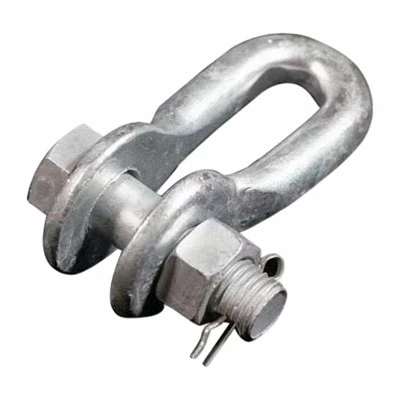
First off, you can’t talk about protective fittings without starting with the environment they’ll live in. I’ve dealt with clients in all kinds of weird, wild places: food processing plants where washdowns are non-stop, offshore oil rigs where salt spray and extreme temperatures are the norm, and even outdoor solar farms that get blasted with UV rays and freeze-thaw cycles year after year. Each of these spots demands a totally different set of design choices. For example, take material selection. If a fitting’s going somewhere that gets splashed with water or chemicals, you can’t use standard polypropylene—it’ll crack or corrode in a month. Instead, you’ll need something like 316 stainless steel or high-density polyethylene (HDPE) with UV stabilizers. On the flip side, if it’s indoors in a climate-controlled office, a basic PVC fitting works just fine and won’t break the bank. Temperature is another big one. I once had a client in a metal stamping shop complain that their old protective fittings were melting within a few feet of a furnace. Turned out, the original design used nylon that couldn’t handle sustained heat over 180°F. We swapped in a high-temperature nylon 6/6 composite, and that fixed the issue right away. The moral of the story? Design for the specific environment, not a generic one. That’s not just a nice-to-have—it’s non-negotiable.
Next, there’s the function of the equipment the fitting’s protecting. Protective fittings aren’t one-size-fits-all; they exist to safeguard whatever’s inside—usually cables, conduits, or electrical connections. So you need to match the fitting’s design to what it’s paired with. Let’s take cable glands, a super common type of protective fitting. If you’re running thin, flexible data cables through a wall, you need a gland that can grip the cable tightly without crushing it—otherwise, you get signal interference or cable damage. For thicker, heavy-duty power cables used in construction, you need a gland with a bigger, more robust sealing element that can handle the weight and vibration of heavy machinery. Vibration’s a huge one here. Off-road vehicles, factory conveyor belts, and even ships deal with constant shaking, which can loosen fittings or break seals over time. A lot of basic fittings have a smooth edge that slips, but a properly designed one will have serrations on the sealing nut or a locking mechanism that keeps it in place. I’ve also seen clients make the mistake of using a fitting that’s too small for their equipment’s cables. If the opening is tight, it’s a pain to install, and you might end up forcing it, which nicks the cable’s insulation. If it’s too big, the seal won’t hold, and moisture gets in. That fit tolerance? It’s a tiny design detail, but it makes or breaks how well the fitting works.
Safety can’t be an afterthought with protective fittings. Their whole job is to prevent hazards, so the design has to prioritize that. First, there’s ingress protection (IP) ratings. That code—like IP65 or IP67—tells you how well a fitting keeps out dust and water. IP65 means dust-tight and resistant to low-pressure water jets, which is perfect for outdoor use, while IP67 is submersible, great for underwater equipment. A lot of clients skip checking the IP rating and end up with fittings that leak during rain or get clogged with dust, leading to shorts. Then there’s electrical safety, especially for fittings used in hazardous locations—like areas with flammable gas or dust. Those need to be explosion-proof, which means the design has to contain any internal sparks so they don’t ignite the surrounding atmosphere. That’s not just a material choice; the shape of the fitting, the tightness of the threads, and how the seal works all play a role. I remember working with a manufacturing plant that had a dust collector room—super dangerous if a spark gets out. They switched to our explosion-proof conduit fittings, and that helped them pass their OSHA audit with zero issues. Also, ergonomics matter for people installing these fittings. If a fitting has tiny, hard-to-grip nuts, installers might not tighten it enough, leading to seal failure. A design with bigger, textured wings makes it easier to get a secure fit without tools, which is a small change but makes a huge difference on the job site.
Durability and maintenance are another pair of design factors that people overlook until it’s too late. Protective fittings are meant to last for years, but cheap designs wear out fast, leading to replacements and downtime. Let’s talk about corrosion, which is a big one for metal fittings. If a fitting’s going in a coastal area, a basic zinc-plated steel will rust in a year. But a design with powder coating or galvanized steel that’s hot-dipped can last decades. Maintenance is tied in too—some fittings are designed to be taken apart quickly for repairs, while others are sealed tight for long-term use. For a factory that needs to swap out cables fast, a modular design that lets you remove the gland without cutting the whole cable is a game-changer. I had a client in a distribution center that was spending hours every day replacing fittings because they couldn’t access the inner parts. We switched them to our tool-less, modular fittings, and their maintenance time dropped by 70%. That saved them thousands of dollars a month. Also, resistance to chemicals is key if the fitting’s near cleaning products, acids, or solvents. A lot of plastics break down when exposed to harsh chemicals, so a design with chemical-resistant polymers is a must. I once had a food processing client whose old PVC fittings were cracking after being sprayed with food-grade sanitizer. We switched to a chemical-resistant HDPE, and that stopped the cracking. It’s way cheaper to get the design right upfront than to deal with replacements down the line.
Cost is obviously a factor, but here’s the thing: cheap protective fittings end up costing more in the long run. A lot of suppliers cut corners on material quality or design to lower the price, but that leads to frequent failures, downtime, and safety risks. As someone who’s a protective fittings supplier, I don’t push the most expensive part— I push the right part for the job. For example, a basic PVC fitting is cheap for indoor use, but if you put that same PVC in an outdoor solar farm, it’ll crack in two years. So even though it’s cheaper upfront, replacing it every two years adds up. A slightly more expensive UV-stabilized HDPE fitting might last 10 years, so the total cost is way lower. Also, design efficiency matters. If a fitting’s easy to install, it saves labor costs. A 5-minute install vs. a 15-minute one might not sound like a big deal, but on a big project with thousands of fittings, that adds up to hours of labor and thousands of dollars. That’s why I always tell clients to look at total cost of ownership, not just the sticker price.
Wait, let’s not forget customization. A lot of industries have unique needs, so off-the-shelf fittings don’t always cut it. For example, a custom size for a non-standard cable, or a special shape to fit a tight space in a piece of machinery. I’ve worked with a few clients who needed fittings that fit into a 2-inch gap on a piece of construction equipment—standard fittings were too big, so we designed a custom low-profile fitting that worked perfectly. Customization also extends to branding, if that matters for your equipment, but more importantly, it’s about meeting specific technical requirements. Some industries, like aerospace or medical devices, need fittings that meet strict industry standards—like ISO or MIL specs. A good protective fittings supplier will have the capability to adjust designs to meet those standards, not just sell pre-made parts.
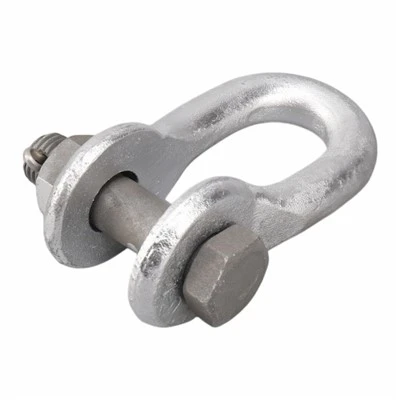
So what does all this boil down to? Designing (or choosing) the right protective fitting is a balance of environment, function, safety, durability, cost, and customization. It’s not a single checkmark on a list—it’s a bunch of small details that add up to a part that does its job without drama. As someone who’s been in this game for years, I’ve seen too many projects go sideways because someone picked the wrong fitting. That’s why I take the time to work with each client to figure out exactly what they need, not just push a product. If you’re working on a project and you’re not sure which protective fitting is right, don’t guess. Reach out, and let’s chat. I can walk you through the options, answer any questions, and help you find a fitting that’ll keep your equipment safe, running smoothly, and save you money in the long run. Whether you need something for a small indoor setup or a big industrial job, I’ve got you covered.
Power Fittings References:
- National Electrical Manufacturers Association (NEMA). "Ingress Protection (IP) Ratings for Electrical Equipment." NEMA Standards Publication 250, 2021.
- Occupational Safety and Health Administration (OSHA). "Hazardous Locations: Electrical Equipment Design and Installation." OSHA 3075, 2020.
- American National Standards Institute (ANSI). "Performance Requirements for Protective Conduit Fittings." ANSI C80.1, 2019.
- International Organization for Standardization (ISO). "Plastic Pipes and Fittings for Chemical Resistance." ISO 10927, 2018.
- Society of Automotive Engineers (SAE). "Vibration Resistance for Automotive Electrical Fittings." SAE J1455, 2022.
Hebei Tongchuang Power Fittings Co., Ltd.
With abundant experience, we are one of the most professional protective fittings manufacturers and suppliers in China. Please feel free to buy advanced protective fittings for sale here from our factory. Good service and quality products are available.
Address: Houxiaohan Industrial Zone, Xingbieying Town, Hejian City, Hebei Province, P.R. China
E-mail: tongchuangepf@gmail.com
WebSite: https://www.tongchuangpower.com/
