If you’ve ever stood in front of a curved wall—whether it’s a nook in a historic home, a modern retail space with flowing interior lines, or a custom residential feature—I bet you’ve asked the same question I get at our showroom all the time: Can wall fabric actually work on a curved surface? As a wall fabric supplier who’s worked with interior designers, architects, and homeowners for over a decade, the short answer is yes. The longer, more nuanced answer is that it can work incredibly well—if you choose the right product, follow smart installation practices, and set realistic expectations for what wall fabric can do. Let’s break this down, because there’s nothing more frustrating than falling in love with a fabric finish only to run into avoidable issues halfway through a project. Wall Fabric
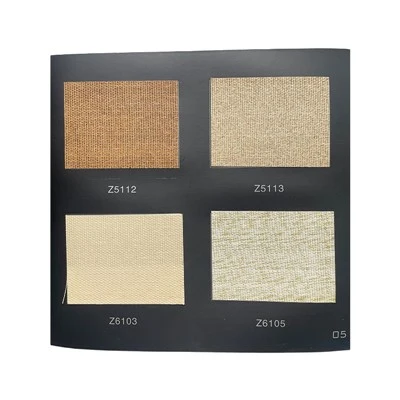
First, let’s address why wall fabric might seem counterintuitive for curves. Most people associate wall coverings with flat surfaces: vinyl wallpaper, paint, even standard woven fabric that’s stretched tight. The key difference with wall fabric is that it’s engineered to move a little. High-quality wall fabric isn’t a stiff, rigid textile—it has a flexible weave that accommodates the natural give of a curved wall, whether that curve is a gentle radius (like a 4-foot arch) or a tight, sharp bend (common in contemporary designs). I’ve seen this play out on projects ranging from a boutique coffee shop’s accent wall to a custom bookshelf curve in a million-dollar home. The fabric doesn’t crack, bubble, or pull away the way paper or thin vinyl often does because it’s designed to flex without losing its structural integrity.
But not all wall fabric is created equal when it comes to curves. Here’s what I always tell designers when they ask about curved wall projects: skip the heavy, dense fabrics like velvet or thick wool blends. Those have too much weight and minimal stretch, so they’ll pull tight over tight curves and create unsightly wrinkles or tension points. Instead, opt for wall fabrics labeled as “lightweight,” “flexible,” or “curved-wall compatible.” These are typically woven with a fine, loose enough structure to stretch slightly, and many are pre-treated with a backing that adds just enough stability to keep them from sagging after installation. For example, our line of vinyl-backed wall fabric is a customer favorite for curves: the vinyl backing provides the rigidity needed to hold shape during installation, while the face fabric’s weave gives it the flexibility to hug even 2-foot radii without pulling. I once had a residential designer come to us panicking because she’d ordered a heavy linen fabric for a 3-foot curve in a master bathroom; we swapped it for our flexible blend, and she later said it was the best call she made on the entire project.
Another critical point to understand is the type of curved wall you’re working with. Not all curves are the same, and that affects which installation method works best. There are two main categories: gentle curves (usually 6-foot radius or larger) and tight curves (anything smaller). For gentle curves, standard vertical hanging works well, as long as you seam the fabric properly. For tight curves, you’ll need to cut the fabric into smaller, manageable panels and stretch each one individually around the curve, rather than trying to hang a large piece that will tug in the wrong places. I always advise clients to order 10-15% extra fabric for curved wall projects, because there will be small cuts and adjustments that result in offcuts you can’t use elsewhere. That extra material is worth every penny—there’s nothing worse than finishing a curve and realizing you don’t have enough fabric to fix a mistake.
Installation is where a lot of people go wrong, even with the right fabric. You can’t just apply wall fabric to a curved wall the same way you would to a flat one. The adhesive is key. We recommend a heavy-duty, peel-and-stick adhesive specifically formulated for flexible wall coverings—nothing too strong that it will pull fabric fibers when adjusted, but strong enough to hold through temperature changes and humidity (a big deal in spaces like bathrooms or basements). Professional installers know to start at the center of the curve, working outward rather than from the edges, to avoid bubbles or wrinkles. They also use a soft roller to gently press the fabric to the wall, working from the middle to the outside of the curve to push out any air pockets. I’ve seen amateur installers try to rush this and end up with a curve that looks like a crumpled paper bag; when done right, the fabric lays smooth, with no visible gaps or tension lines.
Let’s talk about real-world examples, because theory is great, but results matter. Last year, we worked with an architect on a new co-working space that had multiple curved walls throughout the common area, including a 20-foot long sweeping curve behind the reception desk. The client wanted a neutral, textured fabric that wouldn’t compete with the bright furniture and artwork in the space. We suggested our soft, heathered polyester blend—lightweight, flexible, and stain-resistant for a busy commercial space. The installation team cut the fabric into 12-inch wide panels, stretched each one around the curve, and seamed them together with a nearly invisible stitch. The end result? A smooth, seamless curve that looked like it was custom-made for the space, with no wrinkles or gaps. The client later told us that visitors often ask if the wall is made of a single piece of fabric, and they can’t believe it follows such a tight radius.
Of course, there are limits to what wall fabric can do. If your wall has very deep, narrow curves—like a niche with a 1-foot radius—you might run into trouble. Even the most flexible fabric will struggle to wrap around that kind of tight space without bunching, and in that case, a thinner vinyl wall covering might be a better choice. Or, you can use a wall fabric in a contrasting color to highlight the curve, rather than covering the entire niche. It’s all about setting realistic expectations: wall fabric isn’t a miracle solution, but it’s a far better option than traditional coverings for most curved wall projects.
I also want to address a common myth I hear all the time: that wall fabric is too high-maintenance for curves. People think that because it’s fabric, it will collect dust or be harder to clean on curved surfaces. The truth is, most quality wall fabrics we supply are stain-resistant, and cleaning a curved wall covered in fabric is actually simpler than you’d think—just use a soft, dry cloth to wipe away dust, or a mild detergent and water for spills, as you would on any fabric surface. Unlike vinyl wallpaper, which can crack or peel on curves, wall fabric holds up better to the small movements that happen in walls over time (like settling or temperature fluctuations), making it a more durable choice long-term.
At the end of the day, whether wall fabric works on curved walls comes down to three things: choosing the right fabric, preparing the wall properly, and hiring an installer who has experience with curved surfaces. As a wall fabric supplier, I’ve built our business on helping clients navigate these choices—we don’t just sell fabric; we offer guidance, sample swatches, and advice on installation that’s tailored to your specific project. If you’re working on a curved wall project and aren’t sure where to start, don’t guess or take a risk with the wrong product. Reach out to our team to discuss your needs, request a sample, or ask questions about the best options for your space. We’ve helped hundreds of clients turn their curved walls into stunning, functional features, and we’d love to help you do the same. The next time you’re designing a space with curves, don’t rule out wall fabric—it might just be the finish that ties the whole design together.
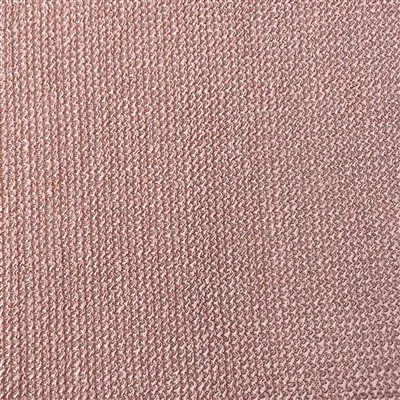
If you’re ready to bring texture, warmth, and personality to your curved walls, connect with our team to explore wall fabric options and get personalized guidance for your project.
Sun Shade Fabric References:
- Interior Wall Coverings: A Guide to Selection and Installation, National Association of Home Builders, 2021
- Flexible Textiles for Architectural Surfaces, Textile Institute, 2022
- Commercial Wall Covering Best Practices, International Facility Management Association, 2023
Nanping Kingway New Material Co., Ltd.
As one of the most professional wall fabric manufacturers and suppliers in China, we also support customized service. With abundant experience, we warmly welcome you to wholesale durable wall fabric in stock here from our factory. If you have any enquiry about pricelist, please feel free to email us.
Address: No. 10, Chengnan Branch Road, Chengjiao Town, Nanping, Fujian, China.
E-mail: npjwxcl@aliyun.com
WebSite: https://www.suernew.com/
