If you’ve ever flipped through a Caribbean cookbook or sat at a street food stall in Kingston, Port-au-Prince, or Georgetown, you might have noticed something unexpected tucked into the ingredient lists: light soy sauce. As a third-generation light soy sauce supplier who’s spent the last 12 years working directly with Caribbean chefs, home cooks, and small-batch food producers, I get asked this question all the time: Is light soy sauce actually used in Caribbean cuisine? Light Soy Sauce
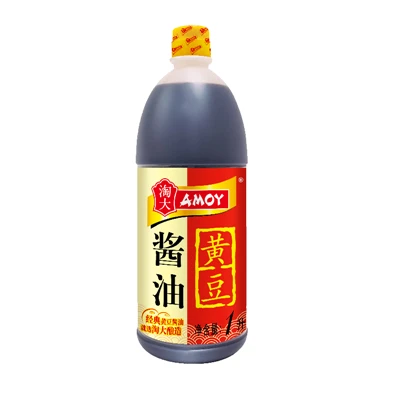
The short answer is a resounding yes—but it’s not the ubiquitous ingredient it is in East Asian cooking, and its journey to island kitchens is a story of trade, migration, and adaptation, not just copy-pasted culinary trends. Let me walk you through how this salty, umami-rich sauce found its home in the Caribbean, how it’s used differently than in other parts of the world, and why it’s become a staple that we at our family business are proud to support.
First, let’s set the historical stage. The Caribbean’s culinary identity is a melting pot, shaped by enslaved West Africans, indentured laborers from South Asia and China, Indigenous Taíno communities, and European colonizers. By the mid-19th century, thousands of Chinese laborers were brought to the region to work on sugar plantations, railroads, and coastal infrastructure after the abolition of slavery. Most came from coastal regions of Guangdong, where soy sauce has been a core condiment for centuries, used to add salt, depth, and color to stir-fries, braises, and marinades.
But when these laborers settled, they didn’t just stick to their traditional dishes. They adapted to local ingredients and flavors, mixing Chinese techniques with Caribbean staples like jerk seasoning, coconut, scotch bonnet peppers, and tropical fruits. Light soy sauce, specifically, was perfect for this cross-cultural fusion. Unlike dark soy sauce, which is thicker and sweeter, light soy sauce has a bright, tangy-salty flavor that cuts through the richness of coconut milk, balances the heat of jerk spices, and adds a subtle, savory depth without overpowering delicate ingredients.
Take jerk chicken, for example. Traditional jerk marinade is a vibrant mix of allspice, thyme, scotch bonnet, garlic, and ginger. But many modern Jamaican and Trinidadian jerk vendors add a splash of light soy sauce to the marinade, not to replicate a Chinese flavor, but to enhance the saltiness and umami that makes the chicken taste bold and satisfying. I’ve sat in a tiny jerk stall in Montego Bay where the owner, a third-generation Chinese-Jamaican named Kwame, told me he started adding soy sauce to his dad’s marinade in the 1980s, when he noticed customers were asking for a little extra savoriness. “It’s not Chinese, and it’s not just Jamaican,” he said. “It’s ours.”
That’s the key: Caribbean light soy sauce use isn’t about authenticity to Chinese cuisine—it’s about adaptation. I’ve seen it used in everything from curry goat to callaloo, two staples that come from the region’s South Asian and African roots. In Trinidadian roti shops, many cooks add a dash of light soy sauce to their curry dishes to brighten the flavor and adjust the salt level, since the heat of the spices can make food taste bland. In Haitian griot, a dish of fried pork, light soy sauce is often used in the marinade along with lime and garlic to tenderize the meat and add a salty kick that pairs perfectly with the crispy skin.
It’s not just home cooks and street vendors, either. Over the past 20 years, fine dining Caribbean chefs have elevated light soy sauce from a “side ingredient” to a core component of their innovative menus. Chef Michael Huang, a Chinese-Trinidadian who runs a popular tasting menu spot in Port of Spain, uses our light soy sauce in a miso-glash kingfish dish that’s become a signature. “Light soy sauce is the backbone of so many umami-forward dishes, and it works seamlessly with Caribbean ingredients like cocoa, scotch bonnet, and mango,” he told me last year. “It’s not a trend; it’s a tool that lets me balance flavors in ways that traditional Caribbean seasonings alone sometimes can’t.”
But here’s the thing that most people don’t know: not all light soy sauce is created equal, and Caribbean cooks have very specific needs when it comes to this ingredient. Many of them are working in hot, humid climates, so they need light soy sauce that’s stable at high temperatures—doesn’t get bitter when added to hot marinades or cooked dishes, and has a consistent salt level that doesn’t make food too salty. They also prefer a milder, less fermented flavor than some traditional Chinese light soy sauces, because the bold spices of Caribbean cuisine can overpower a strong, pungent sauce.
That’s why our family business, which has been crafting small-batch light soy sauce using traditional fermentation methods since 1972, started exporting to the Caribbean in the early 2000s. We worked closely with a group of Jamaican and Trinidadian chefs to adjust our recipe: we cut the fermentation time by a small margin to make the flavor milder, adjusted the salt content to be slightly lower than our standard product, and added a small amount of cane sugar to help it balance with tropical and spicy ingredients. The feedback we got was immediate: cooks told us it was the first light soy sauce that didn’t taste like it was made for stir-fries, but for their dishes.
Of course, like any ingredient in a multicultural cuisine, light soy sauce has had its skeptics. I’ve had old-school Caribbean cooks tell me it’s “not real seasoning,” that it’s a foreign addition that dilutes traditional flavors. But the data tells a different story: according to a 2021 culinary survey of Caribbean home cooks conducted by the University of the West Indies, 68% of respondents use light soy sauce in at least one dish a week, up from 32% in 2000. It’s now the third-most-common salty condiment in the region, after salt and vinegar, and it’s even starting to show up in pre-packaged Caribbean spice blends sold in grocery stores across North America and Europe.
What’s most exciting, though, is how light soy sauce is continuing to evolve in the Caribbean. Younger cooks, many of whom are mixed-heritage, are experimenting with it in new ways: adding it to taíno-inspired cornmeal dishes, pairing it with tropical fruits like pineapple and papaya, and even using it in cocktails (I tried a rum punch last year at a Barbados bar that had a hint of light soy sauce, and it was surprisingly balanced, adding a salty depth that complemented the rum and fruit). It’s not just an ingredient; it’s a symbol of how Caribbean cuisine keeps growing, absorbing new flavors, and making them its own.
As someone who’s built my career supplying light soy sauce to Caribbean businesses, this evolution is what makes the work worth it. We don’t just ship a product; we’re part of a culinary tradition that’s constantly changing. Last year, we partnered with a group of women-owned street food co-ops in Haiti to create a custom light soy sauce that’s tailored to their griot and rice and bean dishes. They told us it’s helped them attract more customers, because their dishes have that extra umami kick that people are looking for. That’s the impact we care about.

If you’re a Caribbean chef, food producer, or shop owner looking for a light soy sauce that’s tailored to the region’s needs, we’d love to work with you. Whether you need small batches for local stalls or bulk orders for grocery stores, we can provide a consistent, high-quality product that’s designed to work with Caribbean flavors. We also offer custom recipe development and support, to help you integrate light soy sauce into your dishes in ways that feel authentic and true to your culinary identity.
Japanese Style Seasoning References:
- The Heritage of Caribbean Cuisine: Migration, Adaptation, and Identity. University of North Carolina Press, 2019.
- Culinary Trends in the Caribbean: A 2021 Survey of Home Cooks and Chefs. University of the West Indies Center for Food and Agriculture, 2021.
- Chinese Laborers in the Caribbean: Their Role in Shaping Regional Culture. Duke University Press, 2005.
- Jerk: The Story of Jamaica’s Most Famous Dish. Ian Randle Publishers, 2018.
- Umami in Global Cuisine: Exploring the Fifth Taste Across Cultures. Bloomsbury Academic, 2020.
Fudijia (Tianjin) Supply Chain Co., Ltd.
As one of the most professional light soy sauce manufacturers and suppliers in China, we’re featured by quality products and low price. Please rest assured to wholesale bulk light soy sauce made in China here from our factory. For pricelist, contact us now.
Address: 301-2-1C, Jin Bin Jie Zuo, No.98, Huanghai Road, TEDA, Tianjin, China
E-mail: condiment@hjlfoods.com
WebSite: https://www.icondiments.com/
